News
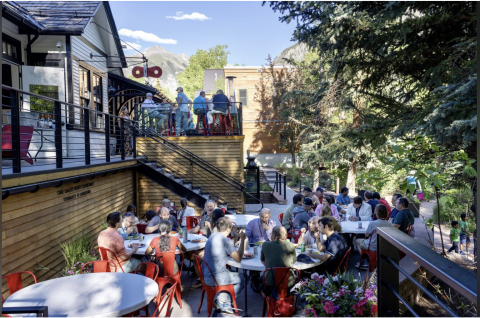
Bridging the Gap
At the Town Talk, climate scientist Dr. Guy Brasseur, of the National Center for Atmospheric Research in Boulder and the Max Planck Institute of Meteorology; Georgina Campbell Flatter, the CEO of Greentown Labs; and Jeff Guldner, retired CEO of Arizona Public Service Company and Pinnacle West, will discuss “the data, the tradeoffs and the concrete actions needed before 2035 to reduce emissions, stabilize the climate and expand affordable energy access to decades to come.”
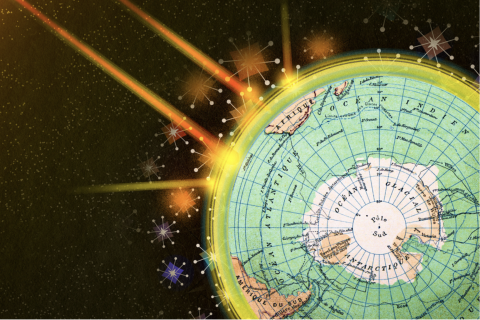
Scientists find ozone depletion began decades before discovery of ozone hole
The Antarctic ozone hole was discovered in 1985, when scientists observed a severe depletion in the Earth’s protective layer of stratospheric ozone. Industrial chemicals known as chlorofluorocarbons (CFCs), then widely used as refrigerants, propellants, foam-blowing agents, and solvents, were at the root of the ozone depletion. After concerted global effort to phase out the use of CFCs, ozone today is recovering, especially in the Antarctic.
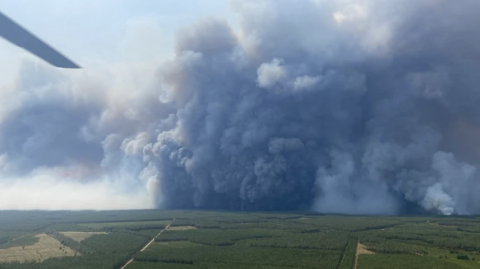
First mission to fly through monstrous ‘fire clouds’ is about to take off
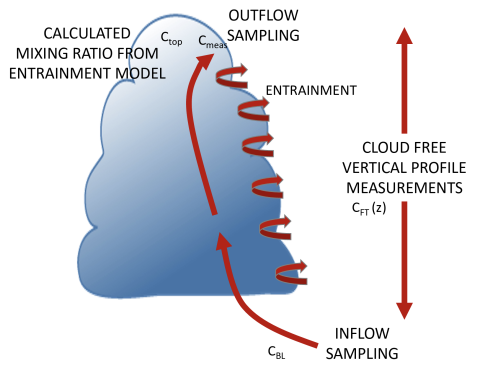
“We’re seeing these intense fires and unpredictable behaviours,” says Teresa Campos, an atmospheric chemist at the US National Center for Atmospheric Research (NCAR) in Boulder, Colorado, who works on the project. “It definitely feels like an important topic to be researching.”